Here is a short list of accidents that involve civilians being exposed to ionising radiation before the year 2000. Why did I stop there? The list was getting too long and too repetitive. And that is really concerning!
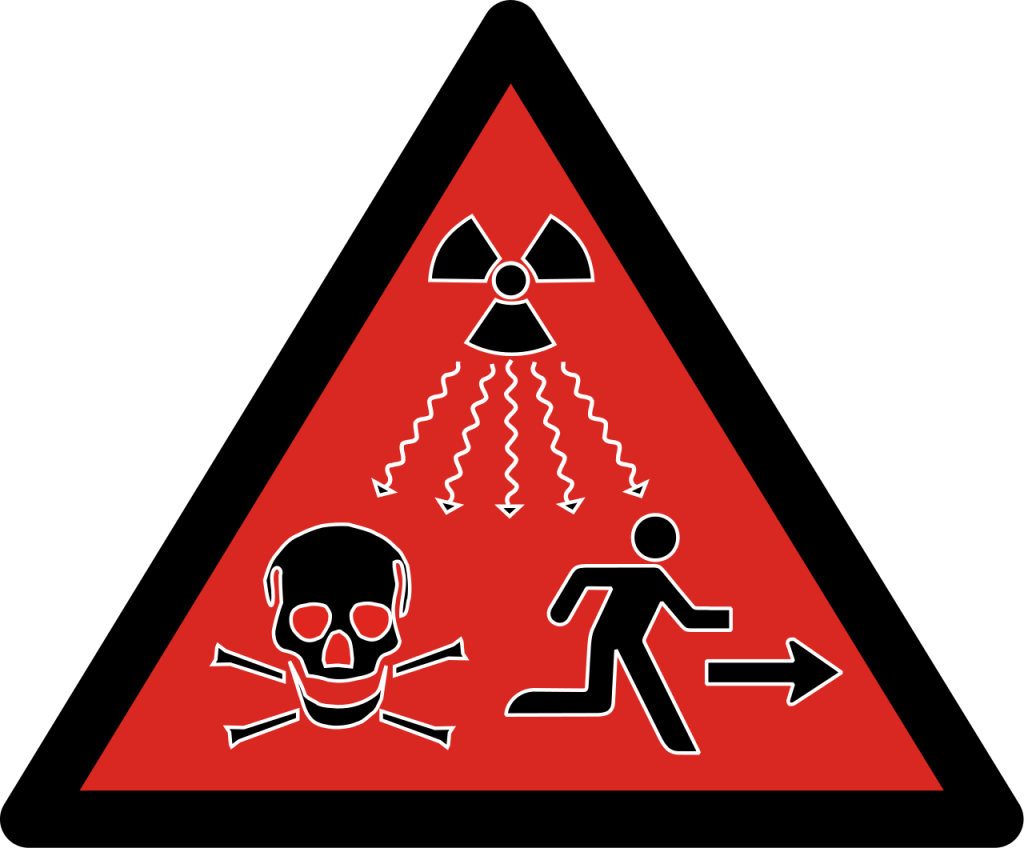
There are organisations and individuals who oppose the use of nuclear physics for all applications, such as medicine, sterilisation and instrumentation. There are others who oppose nuclear power but not nuclear medicine. There are others who oppose nuclear weapons but not nuclear power. There’s a whole spectrum of objections. Given the list of incidents here, which is by no means exhaustive, one can see things from the objectors’ points of view. I could not list all incidents for two reasons. Firstly, I do not know them all. Secondly, there was so much repetition that many minor incidents were omitted. Of course, even minor incidents can have severe health implications!
In most cases, the cause was simply a lack of education about radioactive materials. I did not include major nuclear disasters on this list.
Reader discretion is advised, it’s an unpleasant list.
In 1962, a boy (aged 10) in Mexico City found a container of cobalt-60 (but it’s unclear where he found it), put it in his trouser pocket and brought it home. His mother found it and put it in their kitchen. The boy died a few weeks later, followed by his mother (who was six months pregnant), his younger sister (aged 2), and his grandmother who also lived in the house.
In 1975, at a factory in Italy where cereals were irritated to improve their shelf life, a worker climbed onto the conveyor belt and so entered the room where the cereals were irradiated. He died two days later.
In 1979 in Arizona USA, the food at a school was found to be dangerously contaminated with tritium. The tritium had leaked from the facility across the road.
In 1982, a company in New Jersey USA accidentally spilled a cobalt-60 solution into the sewer system and tried to cover it up. A whistleblower reported the incident nearly a year later.
In 1982 in Taiwan, some cobalt-60 accidentally got recycled along with some steel, which was used to build domestic and commercial buildings. The mistake was only discovered when a worker from an electric company took a geiger counter home to learn how to use it. Over 7000 people are believed to have been exposed to radiation as a result, with increased rates of leukemia and thyroid cancer.
In 1983 in Mexico, a private medical company illegally bought radiotherapy equipment. They did not have the personnel to use the equipment, so decided to have it dismantled. The cobalt-60 inside was spread by improper handling, but ultimately ended up in a scrap yard where it was recycled with steel into building materials, just like it happened in Taiwan in 1982. The contaminated steel was used to make kitchen furniture and table legs. Over 100 homes were contaminated by the accident, and some pellets of cobalt-60 were even found embedded in the road due to the careless handling of the substance. The vehicle that had been used to transport the cobalt-60 became so contaminated that it had to be towed to a remote area of the desert along with thousands of tonnes of contaminated scrap metal and stored there.
In 1984 in Morocco, an iridium-192 source caused eight deaths after being taken home by a worker. The source had become detached from an instrument used to inspect welds, and had been found by the worker. He took it home because it had no markings on it indicating it was dangerous, and there it killed him and his family.
In 1987 in Brazil, burglars broke into an abandoned hospital and stole a caesium-137 source from a radiotherapy machine. They managed to break into the container of the source but did not know what they had found. They were impressed by the blue glow and thought it might be a new type of experimental gunpowder, so they tried to light it. They sold the source to a nearby scrapyard who managed to remove even more caesium-137 from the container, and shared the glowing pellets with their friends and family. Nearly 250 people were contaminated. Four people died, including a six year old girl. Contaminated topsoil had to be removed from a large area and stored, and buildings had to be demolished because of how widespread the contamination was.
In 1988 in Georgia USA, a sterilisation facility had a caesium-137 leak and had to recall tens of thousands of milk cartons and other containers.
In 1989 in El Salvador, safety systems at a medical instrument irradiation facility were disabled, causing one worker to die, another lost limbs due to the high dose received from the cobalt-60 source.
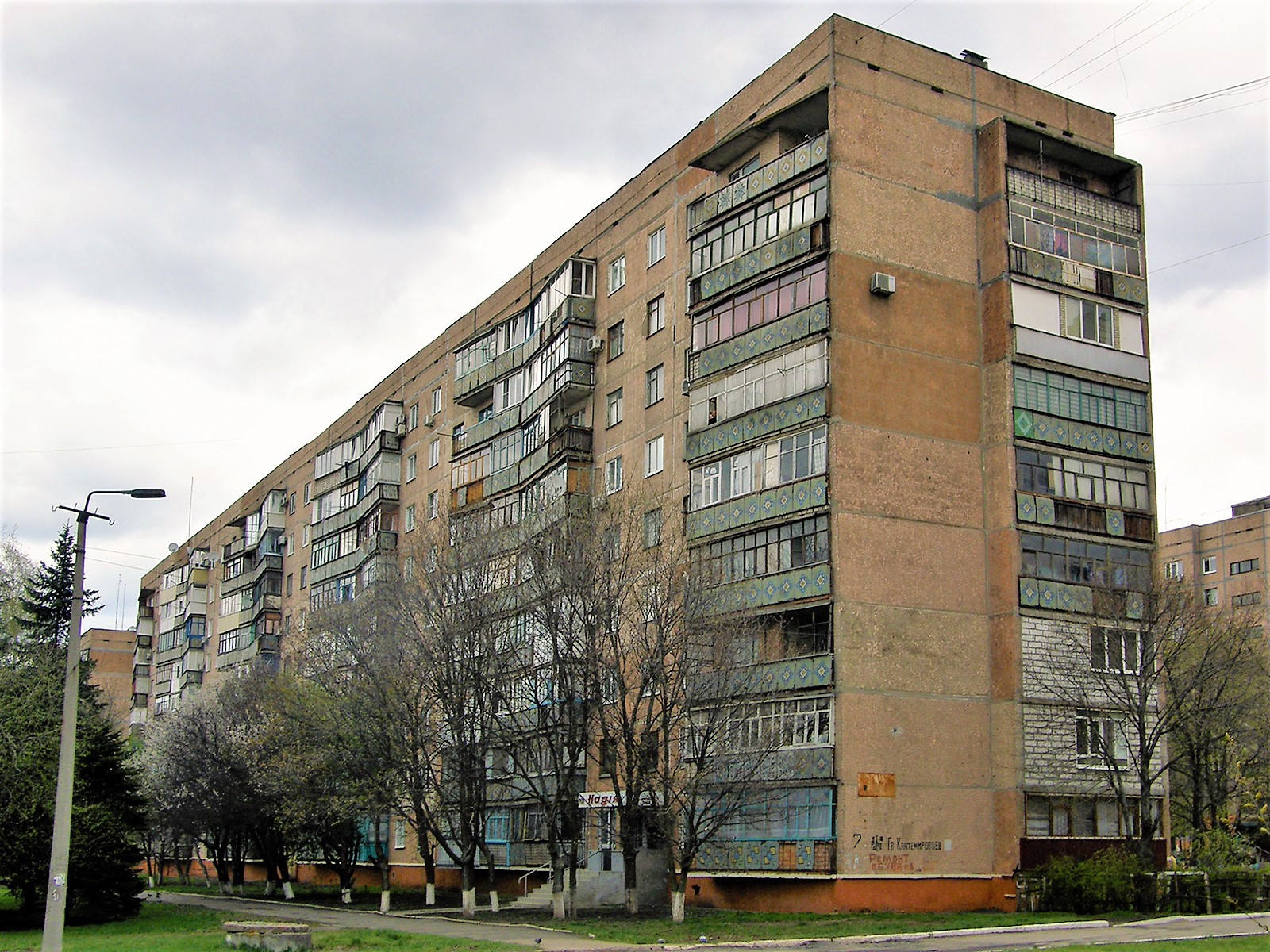
In 1989 in Ukraine, a caesium-137 container was found embedded in the concrete walls of an apartment building. It is thought that the container was originally part of a measuring instrument that had become dislodged in the 1970s and found its way into the building materials for the apartment building. Four people died from leukaemia and many more were sick because of the incident.

In 1990 in Israel, to clear a blockage on a conveyor belt in an irradiation facility, a worker disabled safety systems. He received a lethal dose and died a month later in hospital.
In 1991 in Belarus, at another irradiation facility, the same thing happened, but the worker managed to survive for nearly four months in hospital before his body succumbed to the radiation poisoning.
In 1992 in the UK, a PhD student accidentally received a high dose of radiation due to the supplier of the radioactive trace supplying over 1000 times the amount ordered.
In 1992 in Indiana USA, a cancer radiotherapy patient accidentally received 1000 times the intended dose when the source, which was inserted into the patient, detached. The patient died days later.
In 1992 in China, a construction worker took home a cobalt-60 source. He died, as did two other people, and over 100 people were affected.
In 1994 in Estonia, caesium-137, theft, scrap metal, stored in a kitchen drawer, died twelve days later. There are so many incidents of this nature that it’s easy to become desensitised and skip the details.
In 1998 in Spain, a scrap metal recycler melted scrap metal containing radioactive material, which caused a radiation cloud to float as far as Switzerland before it was detected.
In 1998 in Turkey, a shipment blunder meant two containers of cobalt-60 were accidentally sent to (you guessed it) a scrap metal processing facility. Ten people experienced acute radiation sickness.
In 1999 in Peru, a worker carried an iridium-192 source in his back pocket. He died.
With such high numbers it’s easy to become desensitised, but all of the individuals affected suffered greatly. Death by radiation poisoning is horrific in every sense of the word.
On the other hand, medical use of radioactive sources has saved countless lives, and irradiation of food has reduced food waste by a terrific amount. The use of radioactive sources is one of those contentious issues with no easy answer.
 Physics with Keith