

When I was in Year 11, a small minority of pupils would proudly show off their mobile phones. Very few pupils had phones in school – why would they even need them? Who would they be calling? When I was in Year 12 in the sixth form, mobile phones became far more popular and I steadfastly refused to join in the craze, thinking that it wouldn’t amount to much. I would have loved a handheld PC with full access to the world wide web, I didn’t see the point of carrying around a telephone to make calls or send simple text messages. In only got a mobile phone right at the end of Year 13 in preparation for going to university. Here is my personal journey, my life story as told through the medium of mobile phone handsets. Enjoy. Or don’t, I’m not forcing you to read this, I only wrote it because I felt deeply nostalgic now I’m getting older.
2002: Nokia 3210

This is the first phone I could call my own. There was a phone before this one, but it was a hand-me-down from my father and I cannot remember much about it. The Nokia 3310 was a phone I got on my own contract for when I went to university. It had a battery that would last for over a week! Unfortunately, it was a victim of the Manchester weather, as it sat in a pocket of a waterproof coat and the pocket filled with water.
2003: Nokia 3310

Anyone who had a Nokia 3310 will tell you how great it was. Legends have been told about the damage resistance of this handheld. I cannot recall why I got rid of it now, but I do remember getting excited about my next handset, so maybe it was a frivolous upgrade due to having money for the first time. Not my money, of course, it was a student loan, but I had hitherto had very little money. When I worked at the co-op before going to university I saved up money to go to California during Year 12, and then squandered my meagre earnings on alcohol, junk food and computer parts before going to university. At university I had no money except the student loan, which arrived three times in the first year in large chunks – or at least they seemed like large chunks at the time! I blew most of my student loan on alcohol, junk food, and nights out, as well as the cost of accommodation. I needed to get a job and fast!
2003: Sony CMD J70
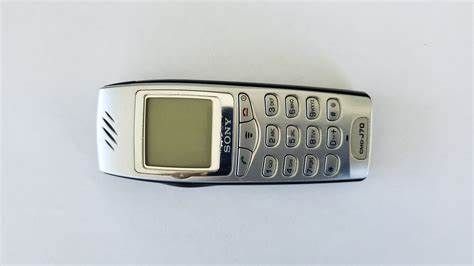
This was possibly a frivolous purchase before I got a job at McDonalds in January 2003, or possibly a frivolous purchase soon after working there, I do not know. I remember a friend of mine had the same handset. I cannot remember his name, except that we used to call him JJJ because of his initials, and he (like I) was a goth. This handset was a lot of fun. You could include a code in your SMS messages that would force the message to open automatically and immediately on the receiver’s handset. I recall this worked when sending messages from this handset to others, including the Nokia 3310. You could also ‘send’ sounds and basic images to other people with the same handset. Actually the images and sounds were stored on the receiver’s handset already, so this was not like MMS messages, the receiver’s handset would open the image or sound you ‘sent’, but really it was just like sending emoji’s now. But you could also send the code that automatically and immediately opened the message (with sound!) on the receiver’s handset, so if JJJ left his phone volume above zero, I could send him a message with a sound that would automatically play, whether he opened it or not. Fun times. There was a dial on the side you used to control the menus but it was a faff to use, and the battery cover would consistently fall off so you’d end up taping it shut, like a cheap remote control.
2004: Samsung A300
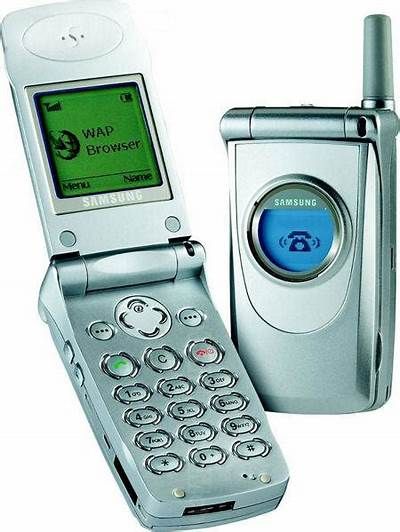
Nostalgia and memory are funny things. I do not remember much about this handset at all, except that I had one and used it. I think it was another frivolous purchase while in my second year of university because I got so irritated with the Sony CMD J70. I do not think I had it long, but I vaguely recall it being nice to type text into. I don’t remember why I got rid of it.
2004: Nokia 3330

This phone, wow, wow, this phone. Almost identical to the Nokia 3310, but with WAP (to younger readers, that’s “wireless application protocol” and was a way of connecting to the world wide web via a mobile phone. This phone was approaching obsolescence when I got it, but money was getting tighter and I was getting poorer. I took it to a stall in Affleck’s Palace in Manchester and had a chap replace the green LEDs with red ones. He warned me that it would make the screen difficult to read, but I said I wanted it anyway. I had a black cover on it, and painted the grey edges black too. This thing looked amazing. With the red screen it was truly a unique handset. I upgraded because technology had moved on a lot since the 3330 was first released. Oh, how I’d love to go back and keep it now.
2006: Samsung E900

My first phone with a colour screen and camera! This was an excellent handset. The sliding mechanism was smooth, typing was a joy, it was very well made. I had this while I was doing my first attempt at a PhD and I wasted far too much time playing a built in puzzle game with a rabbit where you had to collect carrots. I had this phone when I got married, and I still had this phone when I started my second attempt at a PhD. The phone came to Malta with me on my honeymoon and to France with me when I visited EDF to be trained in how to use Code_Aster. I really did like the Symbian operating system, but upgrades happen, and technology moves on.
2008: Nokia E71
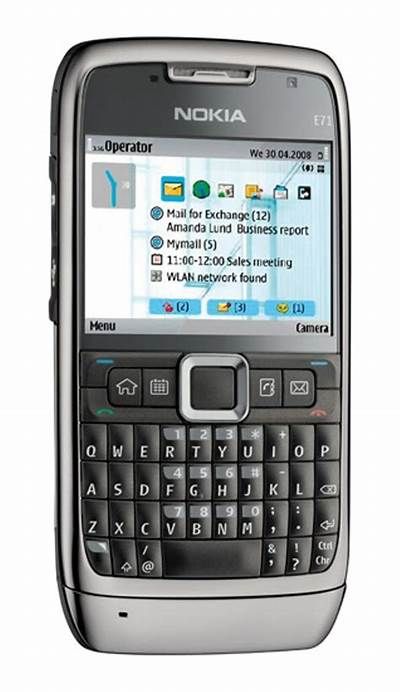
I wanted to love this phone. The keyboard was amazing, the bright, large landscape screen was wonderful for browsing the world wide web, especially using the Skyfire browser (I was a beta tester, they even sent me a t-shirt). It connected via WiFi too. This should have been the best phone I’d ever owned, and I would still love to see an Android version of it with WhatsApp appear on the market. It was thin, stylish, and rugged. It had an aluminium body and back, making it really strong. If you’ve never typed on a miniature keyboard with your thumbs, you’re missing out. It had GPS too, and came with a map app. Yes, it ran a version of the Symbian OS, but there was an app store and Symbian was still a contender in the mobile OS race. The only problem with this phone was that it could rarely connect to the mobile network. Having an aluminium body, the body blocked the mobile network from connecting! This seemed to be a common complaint on the internet forums at the time. I tried to get it fixed by sending it off but they sent it right back saying it was working fine. I continued to complain about it, and eventually contacted someone high up at Three Mobile to complain that it wasn’t fit for purpose. Back then, people weren’t as good at hiding the email addresses and phone numbers for high up executives in companies, so I wrote to the CEO of Three Mobile UK to complain. I won, in a sense. They agreed to change my handset to an entirely new one free of charge, so I got a Nokia N96 instead. Ah, but how wonderful the Nokia E71 should have been.
2009: Nokia N96

This handset was not great. I had it when my second attempt at a PhD ended and I had to go back to McDonalds to pay the mortgage before my PGCE started. The big selling point of this handset was that it could connect to a TV signal! Except it couldn’t. It could connect to a particular band of digital TV signals, which did not operate in the UK. It was good for music, but the two-way slider was a nuisance. It was possible to install a torrent client on it though, and for legal reasons I have to write that I did not use this on the McDonalds WiFi to illegally download any music while I was at work. That would be piracy, and I do not endorse piracy. Absolutely not. I always regretted getting this phone and not a Nokia N97.
2010: Sony Ericsson Vivaz
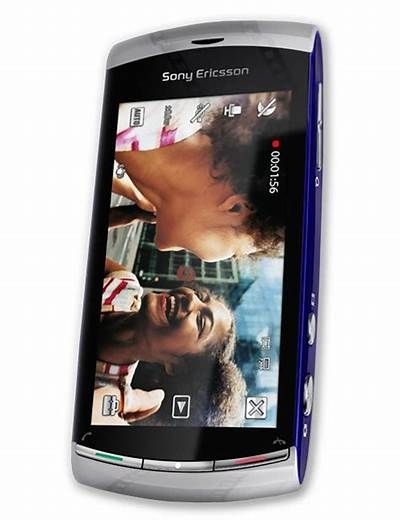
What a terrible phone this was! I had it when I started my teacher training (PGCE). I think the main selling point was the camera. It was my first phone with a touch screen, but it was a resistive touchscreen and you could feel it being pushed in when you touched it. It had a terrible cheap-feeling plastic back cover, which was curved awkwardly so the phone couldn’t be put down flat on a surface. I am sure it was supposed to be stylish. This was the last phone I owned that used Symbian, and by then it was clear Symbian was losing the mobile OS war. I remember having a discussion with a friend on the train on my way to work (I was at a school on the outskirts of Bolton at the time) who was raving about the ‘new’ Palm webOS that was going to take over the mobile market. iOS 4 had been launched by Apple earlier that year, and Android Froyo was the latest Android version. The amazing Windows Phone 7 OS had been unveiled too (that was truly a great mobile OS, but it never gained enough traction). As at the time of writing this, the mobile OS war seems to have ended, with Android and Apple as the only two competitors (Apple systematically copying Android’s features and claiming them as innovations), so it’s fun to remember back to a time when Android, Symbian, Palm webOS, and Windows Mobile 6.5 all competed, amongst others. I did not like the Sony Ericsson Vivaz. It felt cheap and badly designed, and I did not like the removal of the physical keyboard.
2011: HTC Wildfire
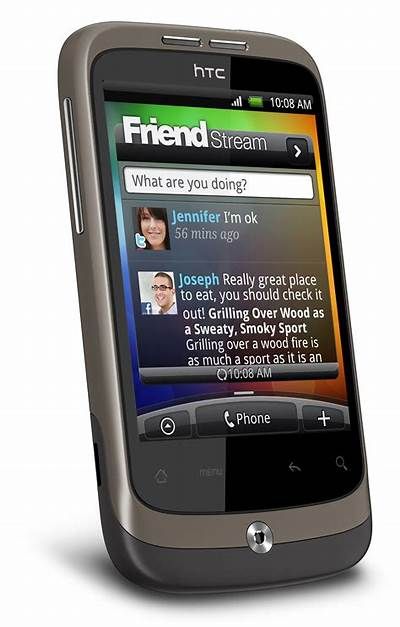
So why did I upgrade to another handset without a physical keyboard? The main reason was that physical keyboards were becoming history on smart phones. Only Blackberry held on until 2018 releasing smartphones with keyboards, and at the time Blackberry phones were far too expensive. The HTC Wildfire was great. It wasn’t too big and bulky, like other smart phones, and had a small track-ball on the front, which made navigation easy. The removal of the physical keyboard hurt, but the predictive text on HTC Sense (the HTC wrapper software that ran on Android) was brilliant at guessing what I meant to type when my fat fingers hit the wrong part of the screen. I don’t think any phone has ever been as good at correcting bad typing as that one. It had a fun feature where all social media streams could be combined into single feed. I liked this phone, but it started to get really slow and I suspected the HTC bloat was to blame. I upgraded to a handset that promised the pure and raw Android experience.
2012: Google Nexus 4
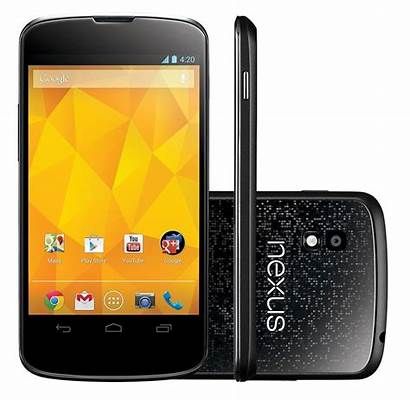
I often remark that ‘this is the only phone I’ve ever loved’. That’s probably not true, and love is a strong word, but this was my first experience of Android without bloat, and it blew me away. The Nexus phones got updates first, and came with all sorts of Google goodies. Around this time I started backing up all of my photographs to the cloud. The handset had a glass back, with a really pretty sparkly pattern. Being a glass back, I always kept the phone in a case to keep it protected, so I never got to enjoy the sparkly back. This thing ran and ran. It just worked and it worked well. I might have flip-flopped on my mobile OS of choice after the HTC Wildfire because of how slow it became and because of all the bloat, but Android on the Nexus 4 confirmed to me that I was firmly an Android user and always will be.
2014: Google Nexus 5
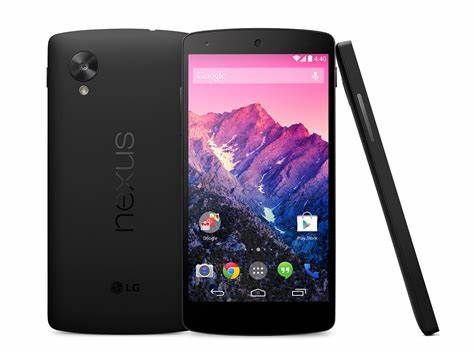
Upgrade time! This time, not as premium-feeling, and a bit larger than I liked, but still pure Android. This actually felt like a bit of a downgrade in terms of performance, although it probably wasn’t in reality. The handset felt more sluggish, and there were some issues with the camera, with storage and with overheating. I didn’t want to leave the Google Nexus brand of phones though, because I much preferred the pure Android experience, but then another handset was advertised as having that same pure Android experience on a more premium device, so I upgraded again.
2015: Sony Xperia Z3
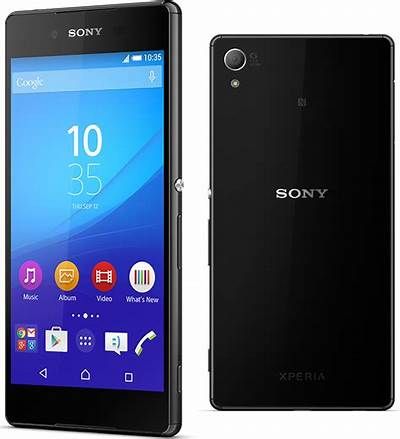
This was my first waterproof phone, and I was amazing! Pure Android, glass back, loads and loads of sensors! It was great for use in the classroom. It had a pressure sensor, which I could use to measure the density of the air in the room because it was sensitive enough to detect the different air pressure from the floor to two-metres up. It had a dedicated camera button and a brilliant camera! This felt like the upgrade from the Nexus 4 I wanted. A truly brilliant phone, except that the glass back was extremely slippery. One day, it slipped to the floor and the glass back broke. It was no-longer waterproof. I took it to be repaired but it was never the same. It made me yearn for a phone with the same ruggedness as the Nokias of old.
2017: AGM X1
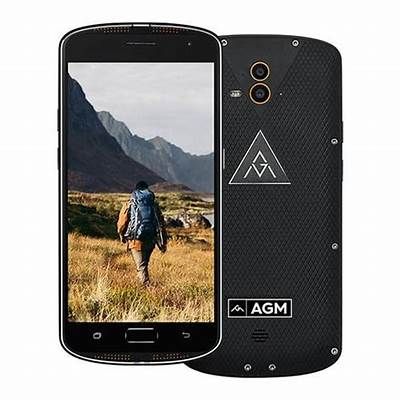
I’d heard about lesser-known Chinese companies making great handsets and selling them really cheaply. This one was advertised as being waterproof and extremely rugged. And it really was. It also had a finger-print scanner where it should be – on the front! This was my first phone with a finger print scanner and it worked better than any phone I’ve had since. This phone was advertised as having a huge battery, enough to last two-to-three days. To be fair, it was a great battery at first, but it rapidly aged. The software was never updated, and over a short time it became clunky and slow. AGM made a mistake and sent me two handsets for some reason. I contacted them a few times asking if they wanted the other one back, but they never responded. My wife used the other one for a bit, but hers died first even though I used mine when I was on the kayak and when I went camping. One day it just wouldn’t turn on.
2018: Pixel 3

Lesson learned, stick with Google’s handsets. Google had abandoned the Nexus line and started a completely different (but somehow exactly the same) brand of devices called Pixel phones. I started with the Pixel 3. It was fine, finger print scanner worked most of the time, even though it was on the back for some weird reason, so you had to pick up the thing to unlock it. The phone was prone to overheating, but I had no issues with it. It needed an upgrade eventually.
2020: Pixel 5
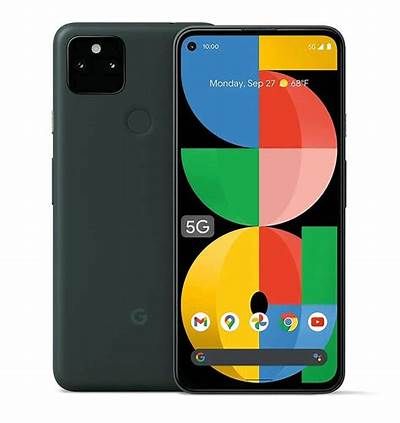
I updated to the Pixel 5. Again, it was fine. By this point, everything was backed up and synchronised from one device to another, so the excitement of a new handset wasn’t there. I turned it on, and after a short while it was automatically set up just like my old one. That’s good, but phones were becoming just identical slabs of glass with no character. My Pixel 5 developed a fault with the camera just before I’d had it a year, so I contacted Google and sent it for repair. They said it couldn’t be repaired so they sent me a refurbished one instead. For the next few years I had intermittent signal problems, which I blamed on the fact I had a refurbished Pixel 5, but it wasn’t a big enough issue for me to want to do anything about it. My wife was more irritated by it because occasionally she’d be unable to ring me when I had no signal. She insisted I upgrade, so I did.
2024: Pixel 7a
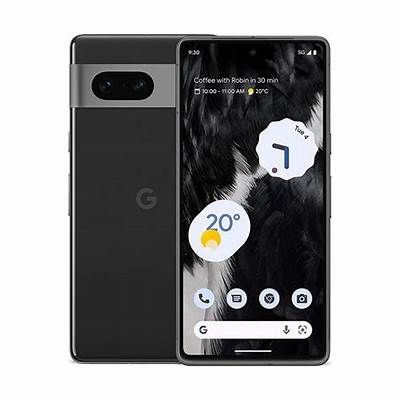
Another upgrade, another Google phone. The Pixel 7a is my current phone. It has the same intermittent signal problems, so we suspect there’s something funny going on with the SIM card, but I don’t know. It’s just a phone, does the same thing my phone has done for the last twelve years (since the Nexus 4). Google continues to upgrade Android and I continue to get perturbed by the small changes. Swiping across the bar at the bottom to switch between apps was great, why did they ever remove that? Give me back my quick access to smart devices by pulling down from the top too. Ah, I’m just becoming a cantankerous old man, longing for the simplicity of the Nokia 3330 or the interface of the Nokia E71.
Give me a Nokia E71 with WhatsApp and I’ll buy it tomorrow and never look back. Who needs AI gimmicks and image searches and voice recognition and notifications (so many notifications!)
At least the fingerprint scanner is back on the front, where it belongs!
Reminder: Weekly Live Tuition Sessions!
SATURDAY 14th March 2026
| GCSE Physics | 9:30am | Generator effect |
| A-Level Physics | 10:30am | Multiple choice questions |
| GCSE Astronomy | 11:30am | Exploring starlight (1) |
If you wish to enrol on the tuition sessions and haven’t yet, then click enrol below
 Physics with Keith