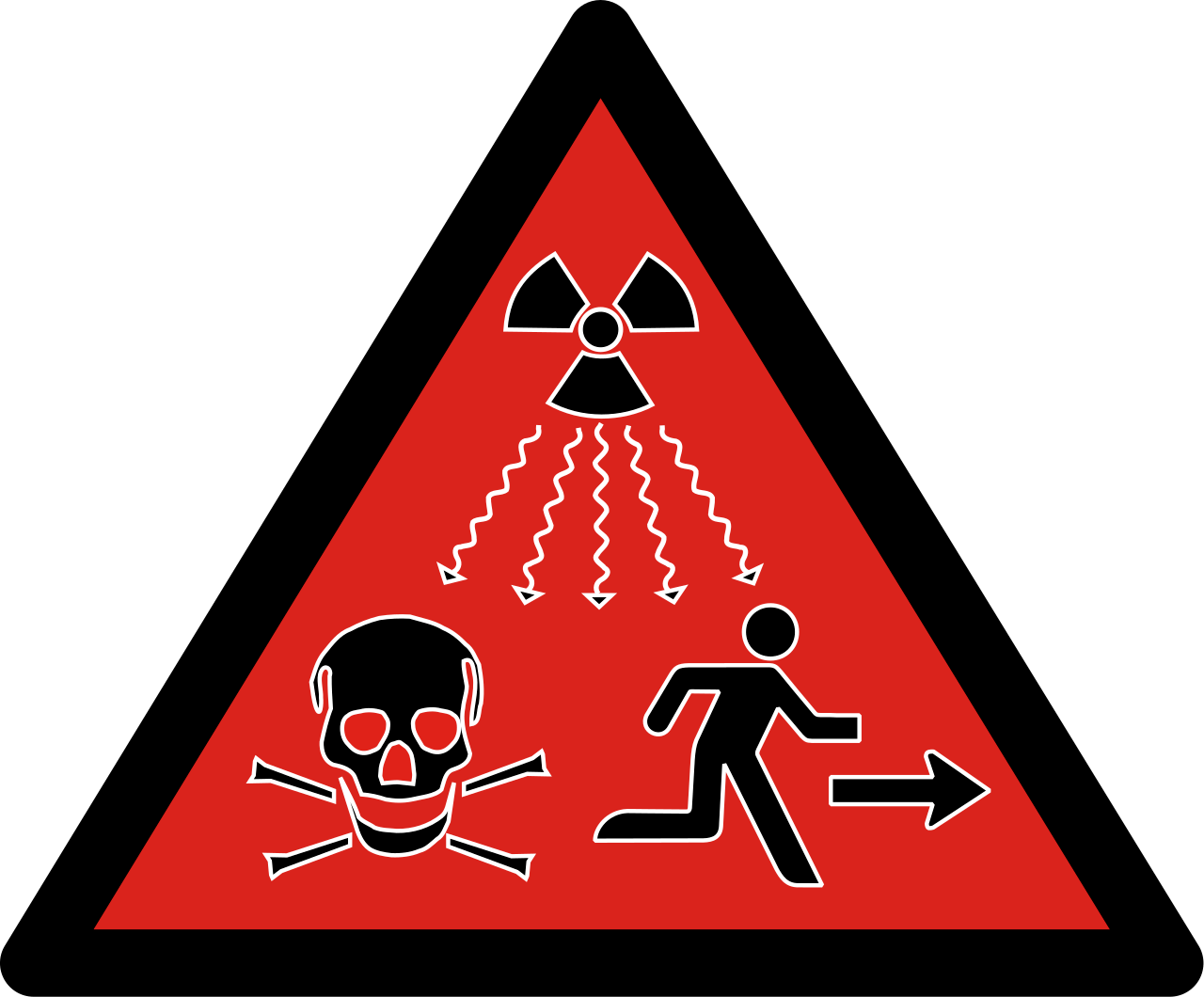
Here is a short list of accidents that involve civilians being exposed to ionising radiation before the year 2000. Why did I stop there? The list was getting too long and too repetitive. And that is really concerning!
Category Archives: Physics
What a waste of space

I could have got 42% more bauble if they were stacked differently
Leslie’s Cube

There is more to surface emissivity than just colour and shininess. When using a good quality infrared thermal camera, there is usually an option to correct the temperature scale for the surface emissivity, from 0 to 1.
The problem with observation

The act of making a measurement changes the measurement being made.
Every action has… no, I cannot finish that

Newton’s Third Law. Need I say more? Well, in this weblog post, I say a lot more.
On the phases of ice

The Eskimos have hundreds of words for snow, or so they say, but what about ice Think ice is simple? Think again!
Five questions A-Level physics does not answer
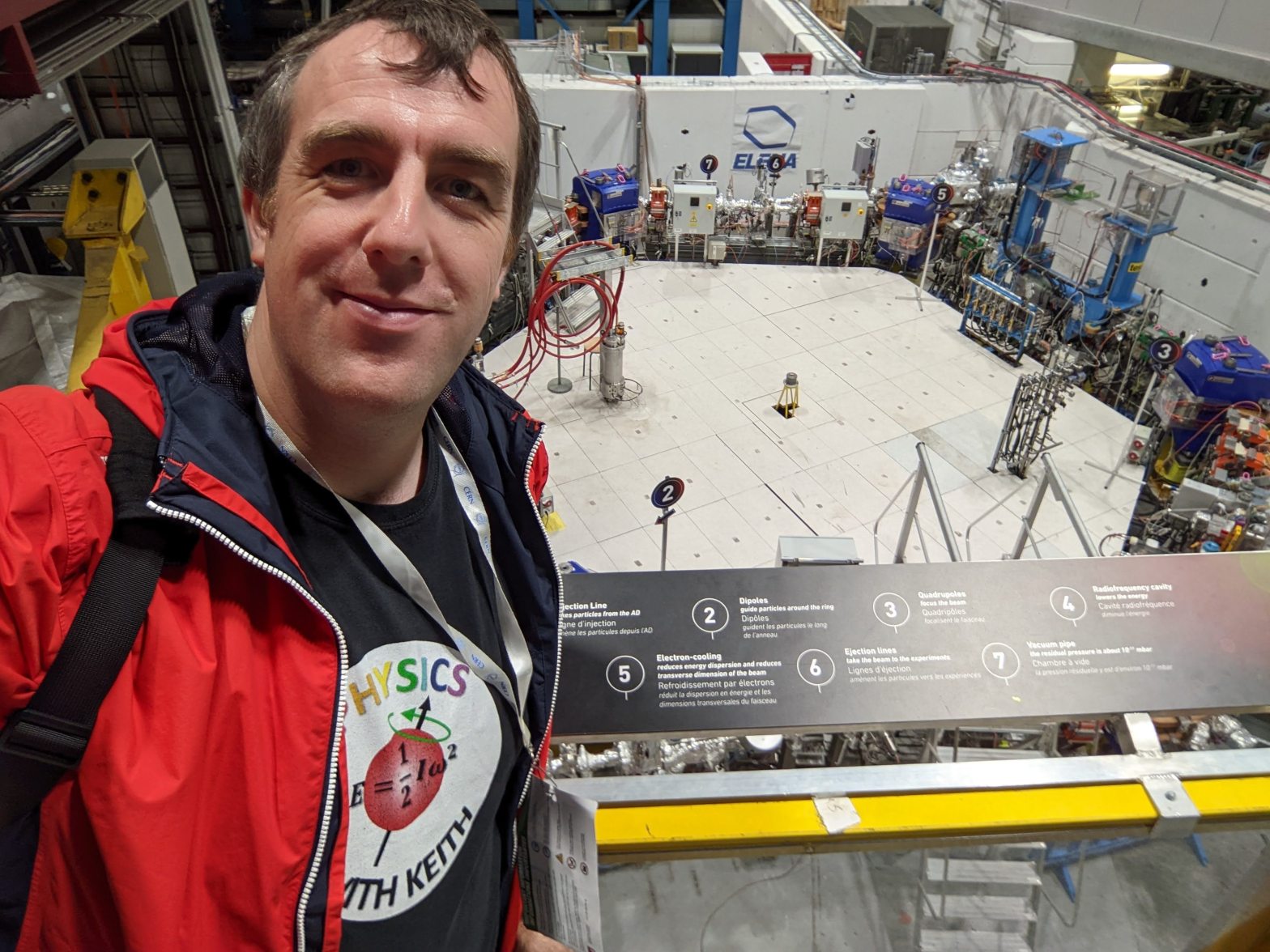
Students often choose to study A-Level Physics because they want to understand how the universe works. GCSE Physics has lots of gaps, but surely Advanced Level Physics will have the answers? Here are five intriguing mysteries that A-Level Physics does not answer.
The fascinating etymology of the word ‘diode’

Diode = two way… what an odd name for a component that allows current to flow just one way. Where did this name come from? I’ll explain all in this blog post.
Internal resistance and delivering the maximum power to a load resistor

I was teaching this on Friday but ran out of time to go through the calculus with my class, so here is a quick(ish) video about why you get the maximum power delivered when you match the load resistance to the internal resistance. Hopefully you find it useful! https://youtu.be/nEY3OsCPZtU If there’s anything you need helpContinueContinue reading “Internal resistance and delivering the maximum power to a load resistor”
More fun with op amps: differentiation
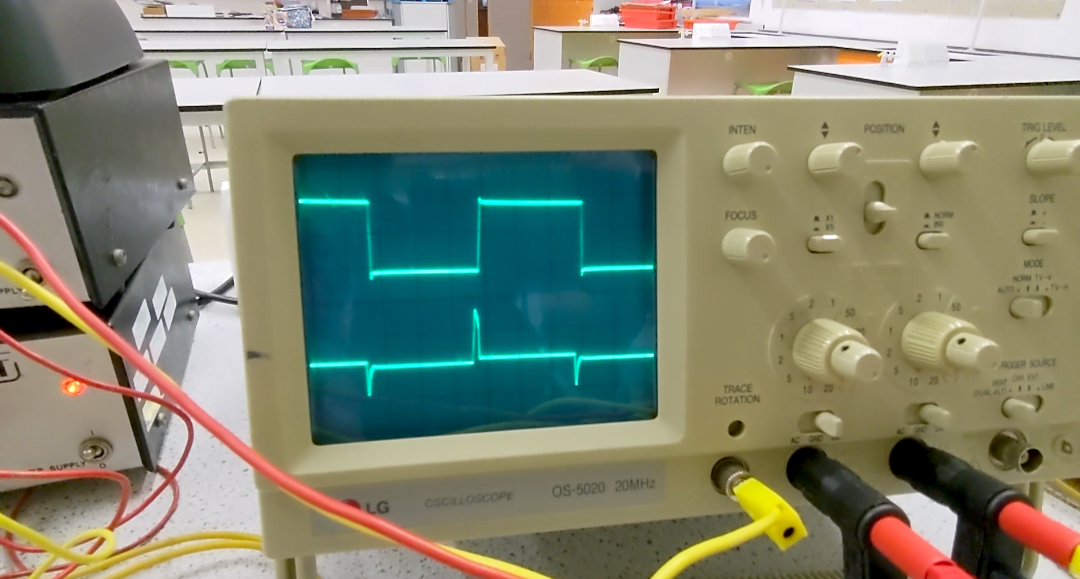
Yes, I finally managed to get an op amp to differentiate an input potential that varies over time. The top trace is the input potential. The bottom trace is the output from the op amp, showing the first derivative of the input. Huzzah! I connected the differentiator circuit to a sinusoidal input potential, and afterContinueContinue reading “More fun with op amps: differentiation”
 Physics with Keith