

My new laptop CPU fan arrived today, and so I thought it’d be fun to ask ChatGPT to write an interesting blog post about laptop fans. The post in full is below.
Category Archives: Blog
My first school report, 1989
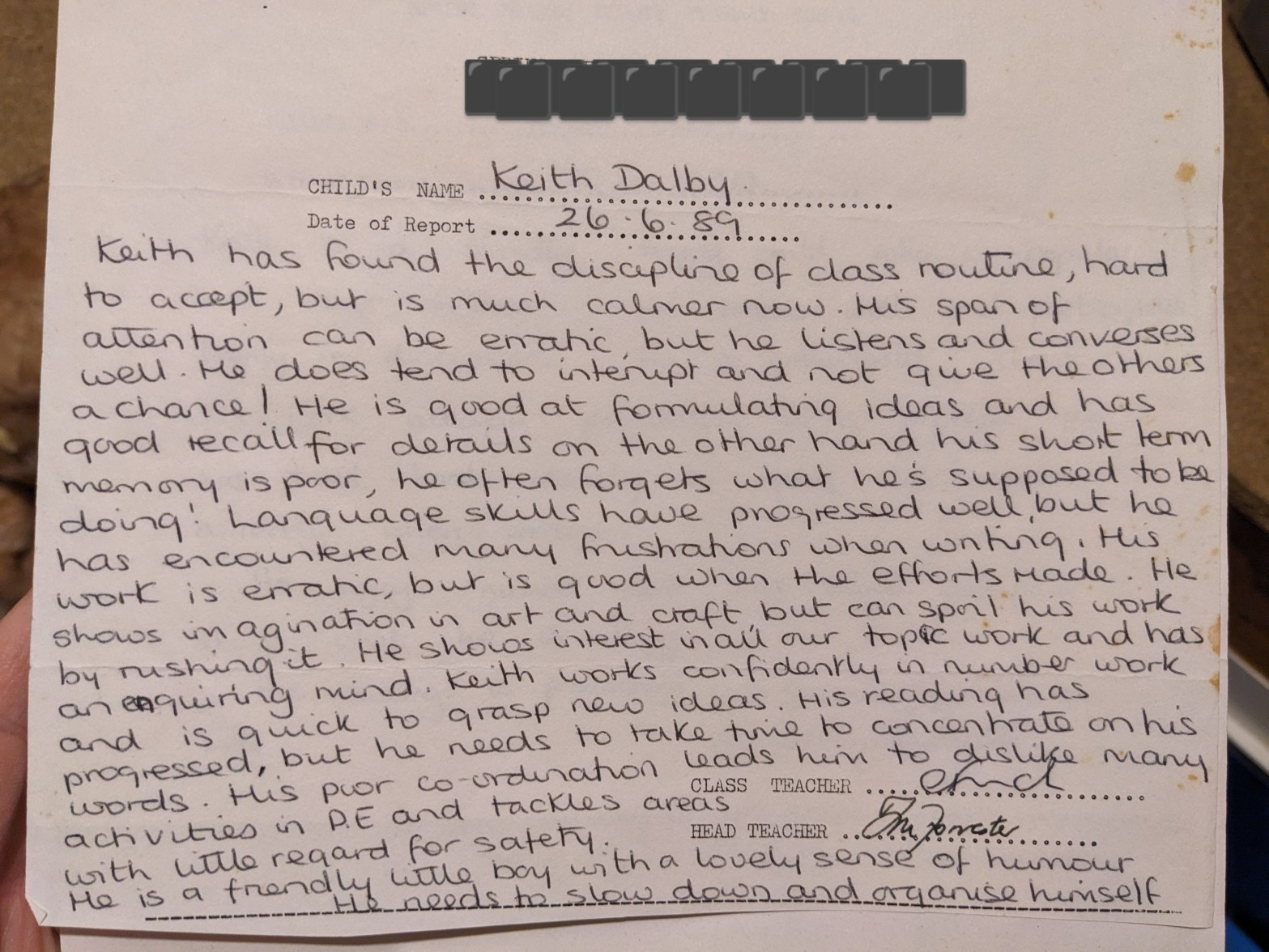
His poor coordination leads him to dislike many activities in PE.
The five best things about being a physics teacher

Why do I look forward to Monday mornings?
The problem with observation

The act of making a measurement changes the measurement being made.
Issues with Casio calculators

Why do I dislike Casio calculators? Watch this video for a few of the reasons!
Poll: Weblog post frequency

Do you think the frequency of weblog posts is appropriate? Have your say!
Laptop fan woes

I had to buy a new CPU fan for my laptop, because it stopped working.
Every action has… no, I cannot finish that

Newton’s Third Law. Need I say more? Well, in this weblog post, I say a lot more.
How many stars in the solar system?
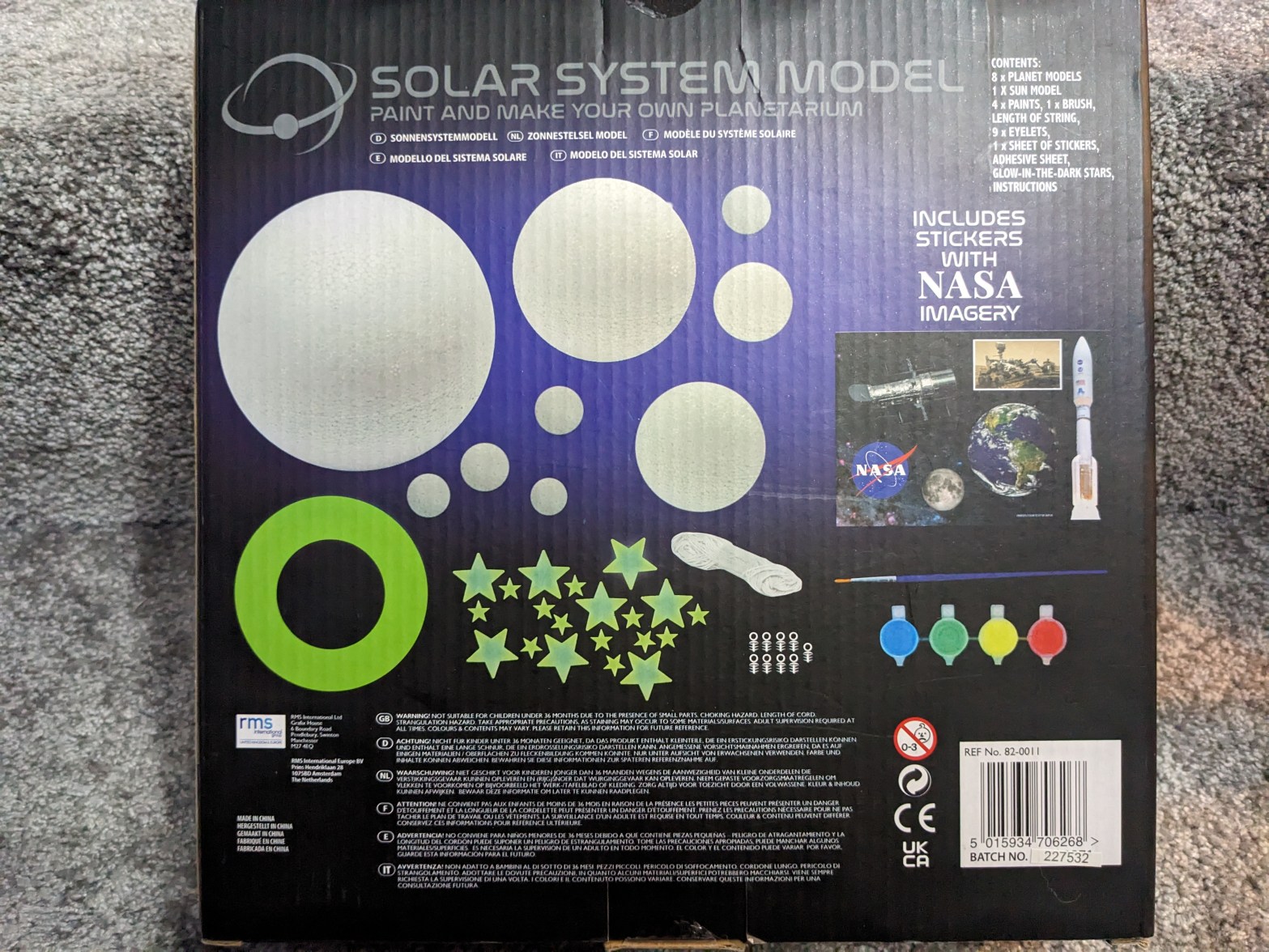
How many stars in the solar system? In this post I explain why mistakes are necessary for learning
On the phases of ice

The Eskimos have hundreds of words for snow, or so they say, but what about ice Think ice is simple? Think again!
 Physics with Keith