A Level Physics Paper 2 and Paper 3A Sessions
A-Level Physics Support Sessions for Paper 2 and Paper 3A are going ahead! Also, another calculator gets added to my collection. See the blog post for more!
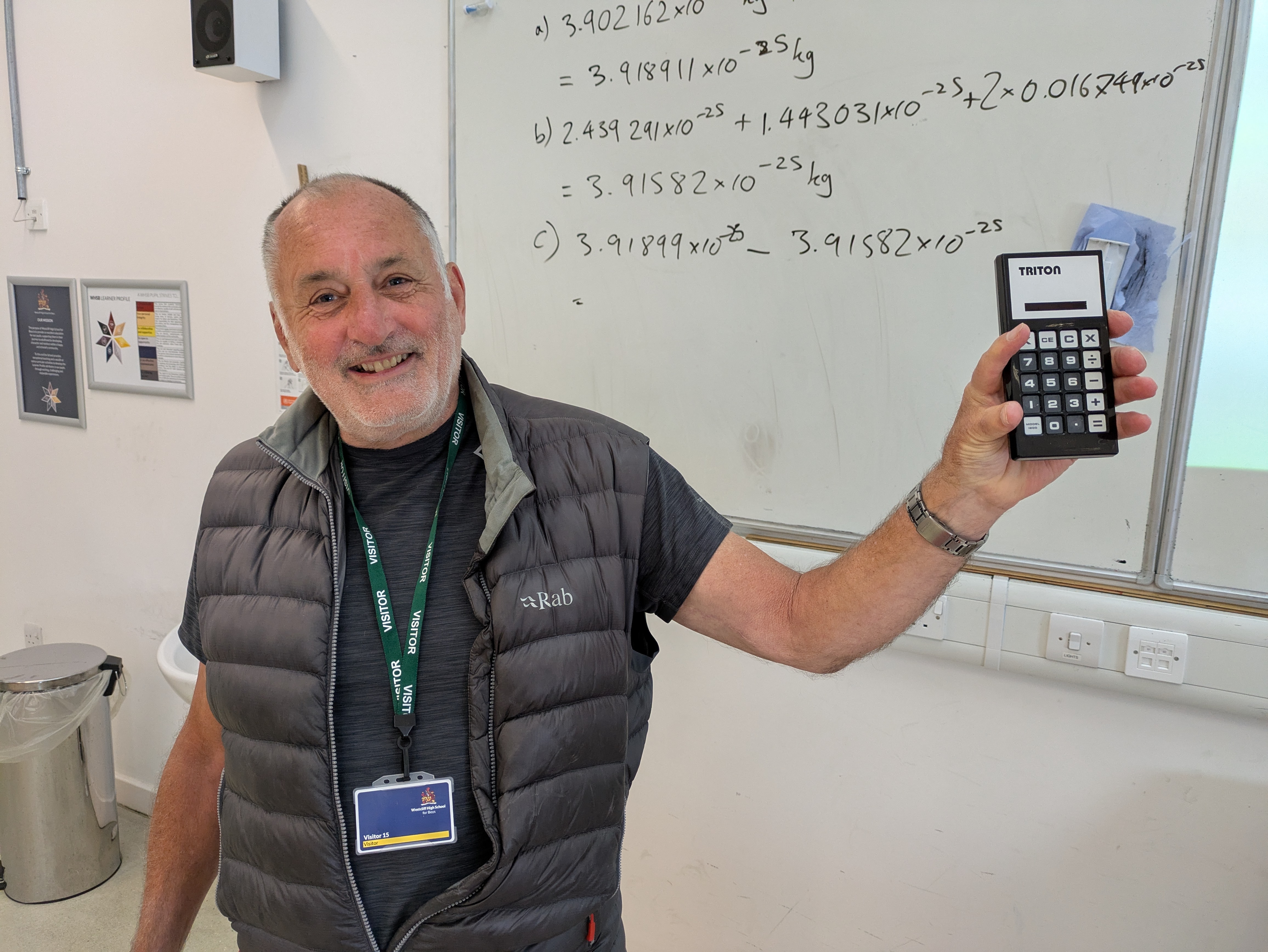
A-Level Physics Support Sessions for Paper 2 and Paper 3A are going ahead! Also, another calculator gets added to my collection. See the blog post for more!
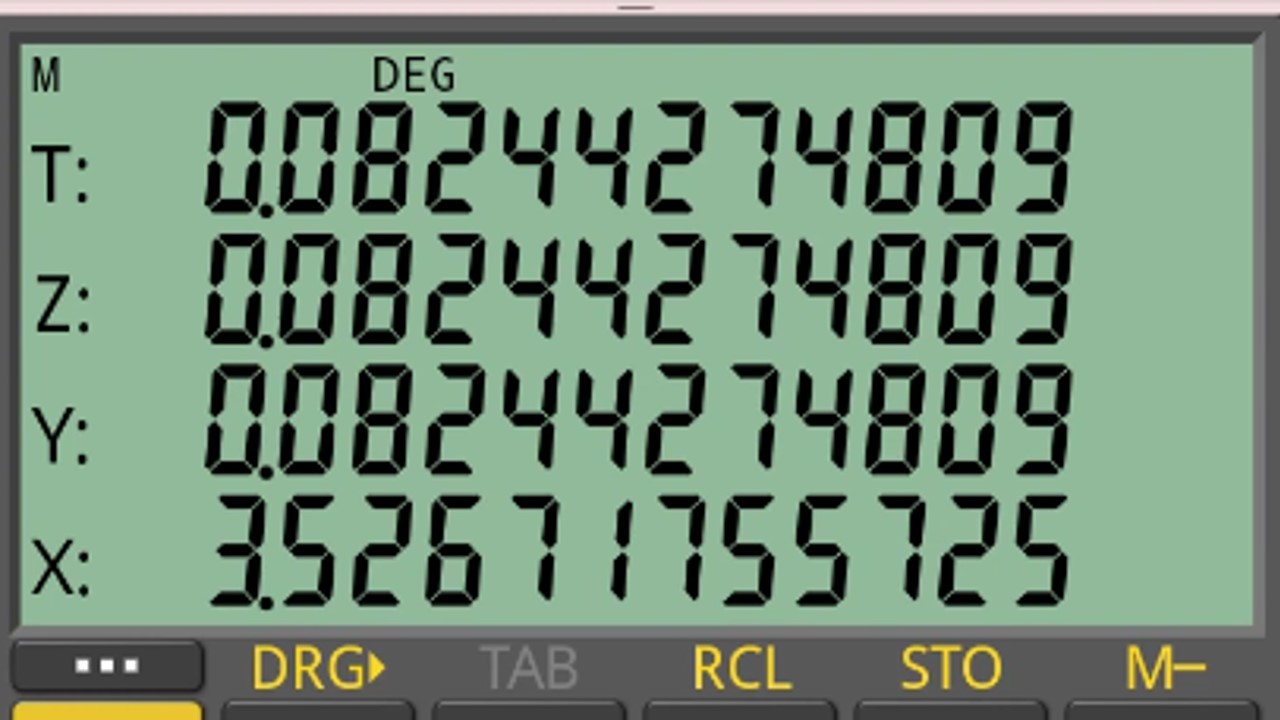
I’ve just recorded a video where I demonstrate the advantages of using Reverse Polish Notation (RPN) input logic when calculating quantities for electrical components: it’s quicker, there are fewer key presses and there is less chance of making a mistake. See blog post
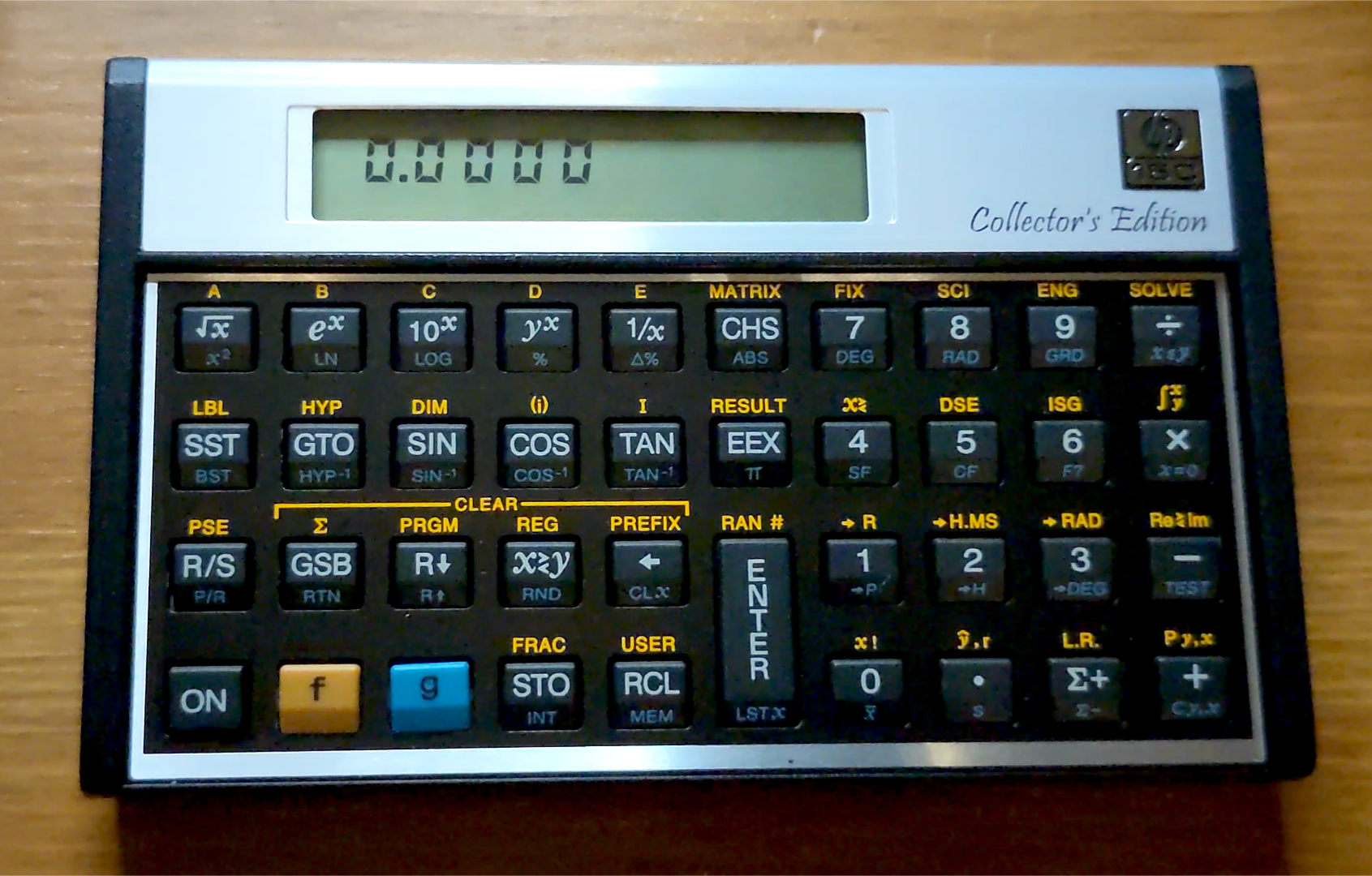
Happy Valentine’s day to me! I treated myself to a calculator I’ve wanted for many years, a HP 15c (well, the collector’s edition version. I cannot justify the price tag of the original) Below I have embedded my unedited unboxing video.

Why do I dislike Casio calculators? Watch this video for a few of the reasons!

I was very kindly and generously gifted a Hewlett-Packard HP 9820A calculator by a good friend and ex-colleague. Unfortunately, the thing does not work, but I will try to get it working when I find the time between other things I have to do. The HP 9820A was the world’s first calculator that used an…
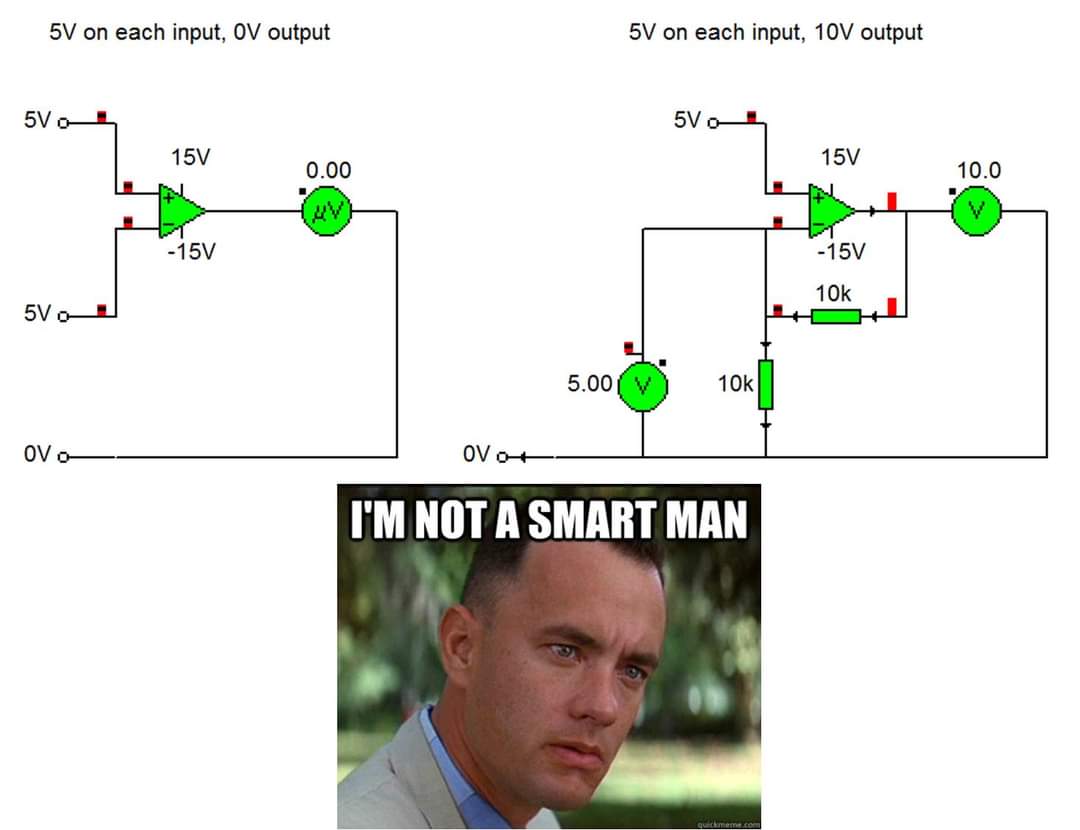
One can see the same potential applied to both inputs of the op amp, causing 0V output potential. That made sense. When connecting the inverting input pin to half the potential of the output (using two 10 kΩ fixed resistors as a potential divider), the output potential became 10V. Well, half of 10V is 5V, so that would make the inverting input potential 5V, the same as in the first case, yet the output potential is different.